
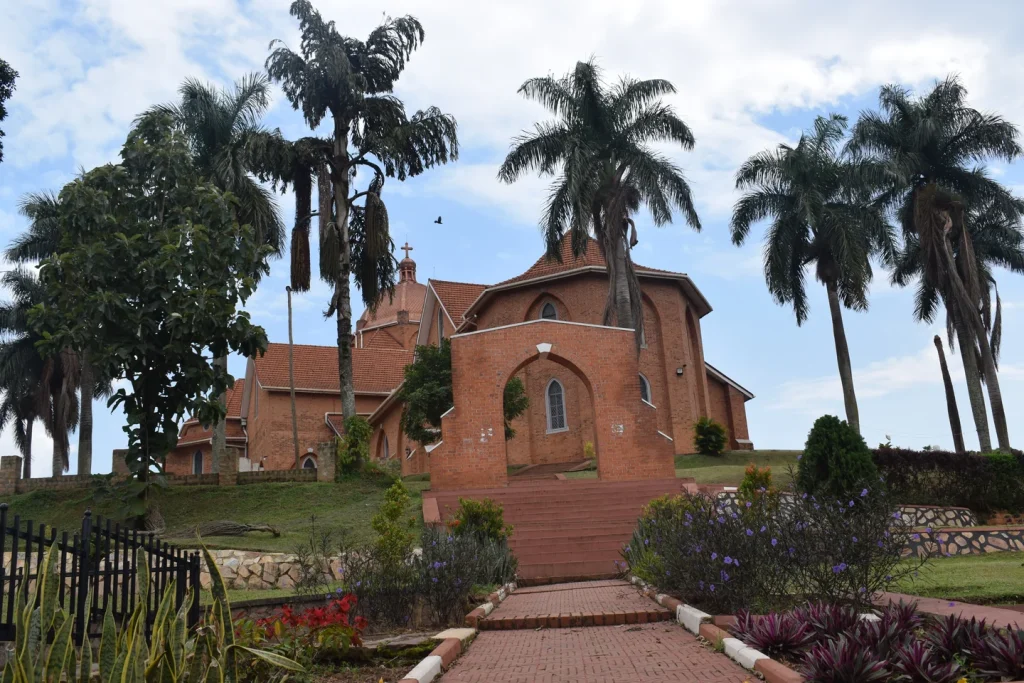

A useful Kampala plan is specific enough to guide you and flexible enough to survive a changed day. Start with why you want to spend time in the city, identify the places that support that interest and make the connections between them clear. The result can be modest without feeling incomplete.
This is an evergreen planning framework. It does not publish current entry rules, fares, opening hours or transport guarantees. Those details should come from the responsible authority, venue or provider when you are making your arrangements.
Choose a main purpose for each day
A cultural visit, a heritage setting, a meal and an appointment each ask for different amounts of attention. Pick the main reason for the day and plan around it. Several smaller additions may fit, but they should not erase the time you wanted at the first place.
If you are travelling with other people, discuss what matters to each of you. One person may want a longer gallery visit while another needs more time between stops. A shared understanding is more useful than a schedule that looks efficient but leaves no room for anyone’s priorities.
Make arrival concrete
Record the full name and address of your accommodation and the first place you will visit. Clarify your arrival arrangements and how to contact the responsible host or provider. Keep essential details available in a form you can use if a device, connection or plan is unavailable.
Do not confuse a wide destination label with a precise location. Kampala, Entebbe and places elsewhere in Uganda need their own arrangements. When a provider describes a transfer or meeting point, ask exactly what is included and where the responsibility begins and ends.
Read current venue information
The city has working galleries, performance spaces, religious sites and institutions. Access depends on the actual place and occasion. Check the venue’s own current information rather than relying on an archived event, an old photograph or a broad directory description.
A historic building can remain in active use. A gallery may be between exhibitions. A performance may require a particular entry arrangement. These are reasons to ask clear questions before arriving, not reasons to assume that every place follows a single visitor routine.
Allow useful gaps
Leave time for meals, rest and the journeys between places. A pause can help you understand the day rather than simply recover from an unrealistic schedule. It also gives you room to respond when an appointment moves or a visit takes longer than expected.
A flexible plan still needs a clear return. Decide how you will leave the final stop and reach your accommodation. If an evening is part of your visit, make those arrangements in advance with the people responsible for providing them.
Compare a tour through its details
- The named places and intended sequence.
- The meeting point, transport and return arrangements.
- What is included inside venues and what is viewed from outside.
- Meals, tickets and other separately paid items.
- The guide’s role and how questions or changes are handled.
- Current cancellation and amendment information from the provider.
Use the Tours page as a route to current native provider information, then read the complete offer. A broad title such as “city tour” is not a description of every activity, inclusion or access arrangement.

Kampala’s Best Experience walking tour
Based on our past positive reputation for the past years, we guarantee you that our team is so exceptional in delive...

Kampala Cultural Tour
Its an informative, breathe taking experience that makes theb visitor get a clear insight into the country's culture...

The Best 1Day Jinja Tour & source of the Nile River Experience
Jinja is arguably Uganda’s heartbeat, it is a gem of unrivaled beauty, an asset to Uganda of humongous economic po...
Keep people and places in focus
Ask before making close portraits or recording a conversation. Follow instructions at working religious and cultural places. Be precise about what a photograph shows, and avoid inventing stories about people or objects you have not been introduced to.
If you are uncertain about an essential travel, health or accessibility requirement, consult the appropriate professional or official source for your circumstances. An independent city guide cannot replace that assessment.
For the next practical step, read choosing a Kampala base, then build a day through the neighbourhood guide. The city does not need to become a single checklist to make sense.
Venue and city context: KCCA’s Kampala tourism portal. Consult individual institutions and providers for current arrangements.