
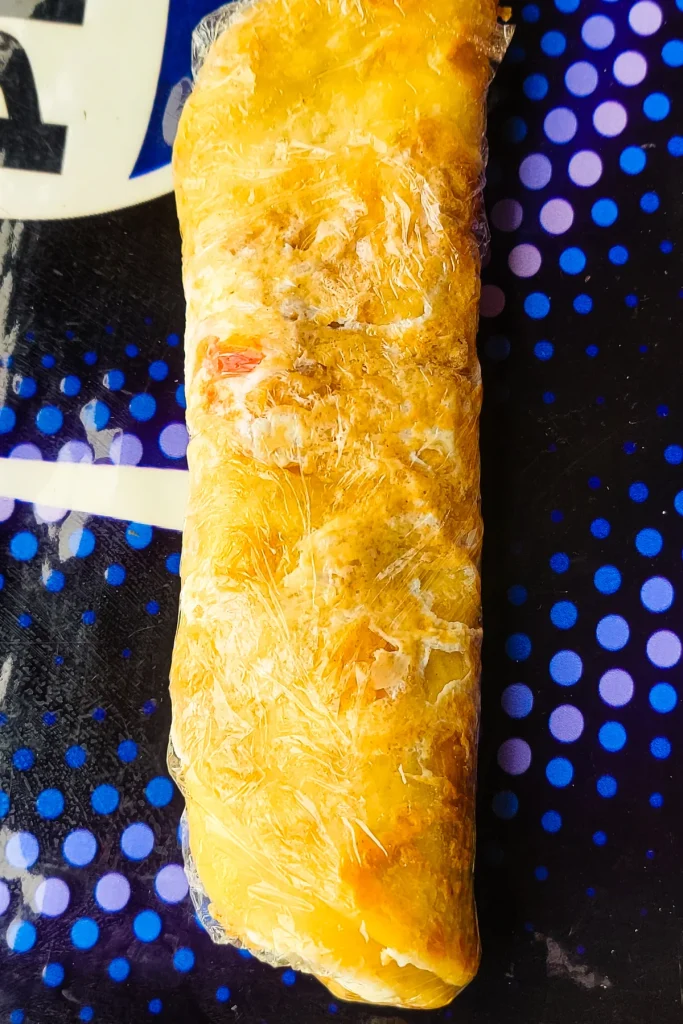

A meal can be an anchor for a city day rather than something squeezed between appointments. In Kampala, make food part of the plan from the beginning: where you want to be, how long you have and what kind of setting you would enjoy. The aim is to choose a meaningful stop, not to collect the largest possible list of dishes.
The city’s official tourism portal treats eating and drinking as part of Kampala’s broader cultural life. Uganda Tourism Board also describes cuisine within cultural-centre programming. Those perspectives support paying attention to food as a social experience, while leaving the particular menu and arrangements to the people who provide them.
Know what the photograph shows
The food image accompanying this guide is a credited close-up identified by its photographer as rolex. It is not presented as a review of a named Kampala stall, and no specific venue is implied. A useful food story keeps the distinction between a dish, an image and a place where you might order it.
Likewise, a familiar dish name does not establish every ingredient, portion or preparation detail. Ask the person serving you what is included. If you have dietary requirements or allergies, explain them clearly and decide with appropriate advice what is suitable for you; do not rely on a photograph or a general travel description.
Choose the setting as well as the menu
A quick stop and a longer seated meal offer different ways to spend time. Think about whether you want to continue moving, rest between visits or make the meal a central part of the day. Your choice should fit your own circumstances and the arrangements available at the actual place.
Check the venue’s current information before making a special journey. A past article or image cannot tell you whether a business is operating today, whether a dish is available or whether a group can be accommodated. Keep a second practical option in mind without turning the day into a race between recommendations.
Ask what a food experience includes
When comparing an organized food visit, request a clear explanation of the stops and inclusions. A description may mean guided conversation, tastings, a full meal, transport between places or a combination of those elements. The title alone does not tell you which of them you are buying.
- Which places are part of the planned route?
- What food or drink is included, and what is paid separately?
- How are dietary questions handled before the visit?
- How much walking or travel connects the stops?
- What happens if a planned venue is unavailable?
Use the answers to judge the actual experience, rather than assuming that a longer list of stops gives you more time to understand each one.
Keep people in their own context
A cook, vendor or server is working. Ask before making a close photograph or recording a conversation. If someone chooses not to be photographed, that does not require explanation. Permission to buy a meal is not permission to turn a person into an anonymous illustration.
If a story includes a person’s words or a particular account of a dish, credit that contribution accurately and with agreement. Avoid attaching an invented biography, tradition or origin story to a photograph simply because it makes a tidy caption.

Kampala’s Best Experience walking tour
Based on our past positive reputation for the past years, we guarantee you that our team is so exceptional in delive...

Kampala Cultural Tour
Its an informative, breathe taking experience that makes theb visitor get a clear insight into the country's culture...

The Best 1Day Jinja Tour & source of the Nile River Experience
Jinja is arguably Uganda’s heartbeat, it is a gem of unrivaled beauty, an asset to Uganda of humongous economic po...
Build the rest of the day around it
Place your food stop where it makes sense in the journey. Allow enough time to order, eat and continue at a reasonable pace. Keep your return arrangements clear, especially when a meal extends into an evening plan. The practical choices are part of enjoying the city, not an afterthought.
For a broader framework, read planning a Kampala stay or use the Tours page to inspect current provider descriptions without assuming that every listing includes food.
Context: KCCA’s city tourism portal and Uganda Tourism Board’s cultural-centre account. Photography is individually credited.