
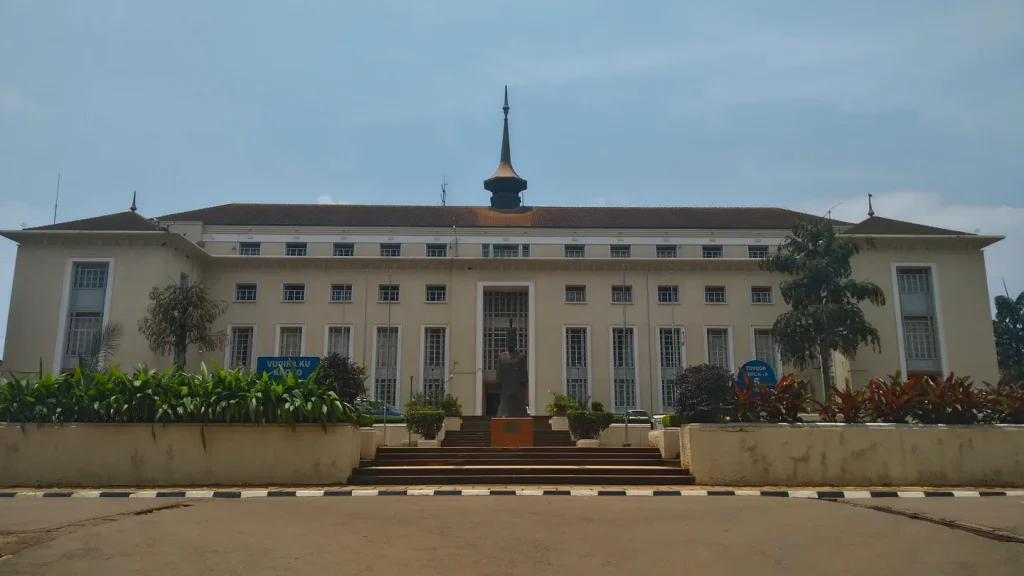

A straight road can make two places look like one continuous attraction. In Mengo, a better starting point is to understand what each place is and why the connection matters. The Royal Mile links institutions with their own roles, histories and present-day use. Give those distinctions space in the way you plan and describe a visit.
KCCA identifies Bulange as the Buganda parliament and offices, Lubiri as the palace, and the Royal Mile as the connecting road. A photograph of Bulange should not be labelled as the palace. Nor should a view along the road be taken as evidence of permission to enter either endpoint.
Start with the names
Write down the actual place you want to visit and confirm it with the host or guide. “The palace,” “Mengo” and “the Royal Mile” can be used loosely in a conversation, but they do not necessarily describe the same meeting point or experience. Clear names prevent avoidable confusion before the day begins.
If you are comparing tours, ask which parts of the setting are included. An exterior introduction, a walk along a public route and an arranged visit inside a building require different expectations. The description should tell you what happens, who provides the explanation and which arrangements need to be confirmed separately.
Treat heritage as a living subject
Buildings, roads and ceremonial objects carry meanings that should not be guessed from appearance. A guide or institution can explain a place in its own context. Listen for the difference between a documented historical account, a current practice and an interpretation being offered by the person speaking.
Do not reduce royal or clan imagery to a convenient pattern or souvenir aesthetic. The design of this guide deliberately avoids using those symbols as decoration. A visitor can appreciate form and craftsmanship while recognizing that the significance of an object belongs to a much larger account.
Use the wider view carefully
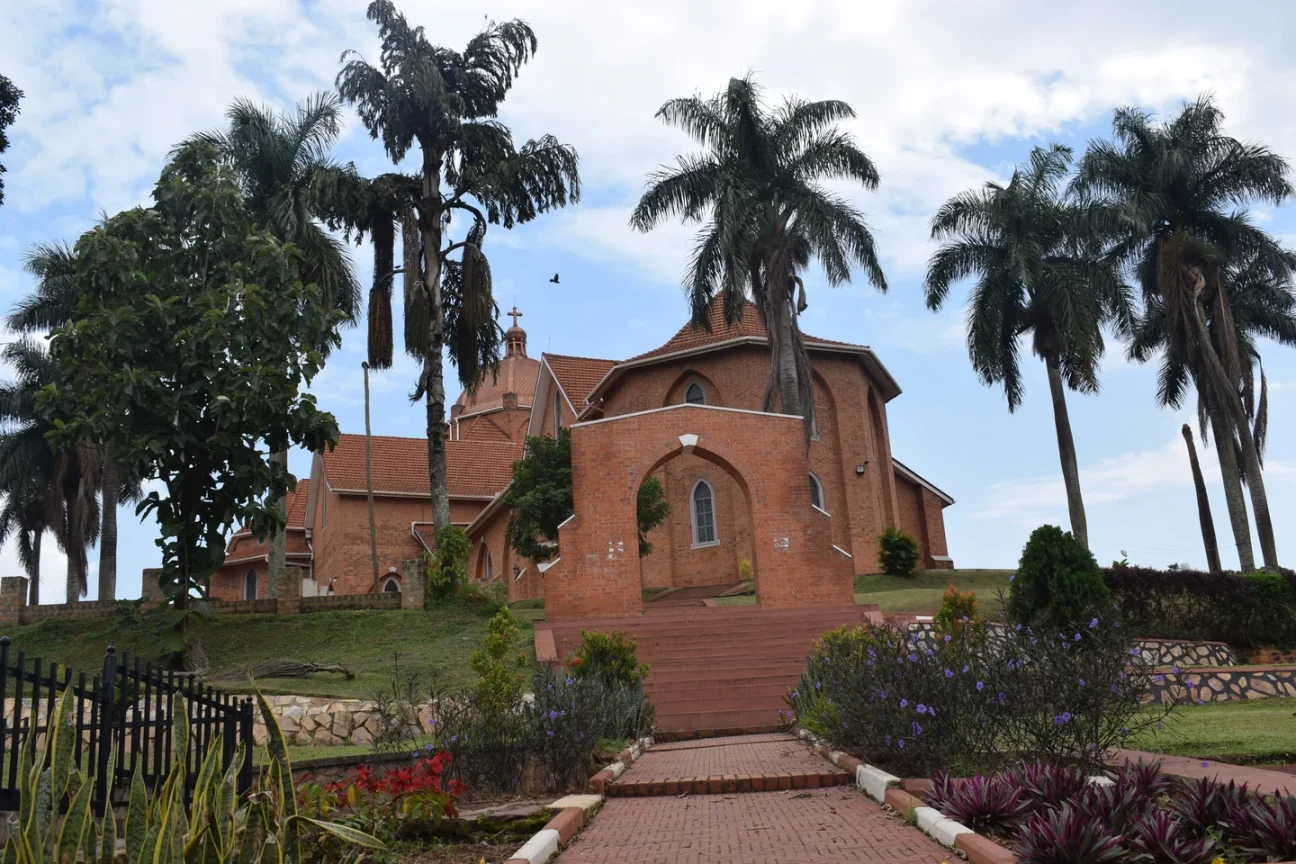

Other places around the city bring different kinds of heritage into view. Namirembe Cathedral, shown here with its own caption, is a distinct religious setting. It is not a substitute image for Bulange or the Royal Mile. Keep each photograph attached to the place it actually depicts.
Religious and institutional sites remain places of work, belief and community life. Check the host’s current instructions about entry, dress, services and photography. A published image or a directory description is not a blanket invitation to enter every part of a building.
Ask for the practical detail
- What is the exact meeting point and planned route?
- Which places are viewed from outside, and which require arranged access?
- Who explains the history and current role of each place?
- Are there occasions when the proposed visit changes?
- What photography instructions should you follow?
These questions help you compare the substance of an experience. They also give a host room to explain constraints before you arrive. Avoid treating a request for care or a change of access as a failure of the visit.
Let the account remain specific
After visiting, keep your own captions and notes precise. Name the place, credit the person or source who explained it, and distinguish what you saw from what you were told. If you are uncertain about an object or detail, leave that uncertainty visible instead of supplying an invented explanation.
A heritage day can be rich without becoming crowded. Pair a main visit with time to reflect, a meal and a realistic journey back. For a broader city plan, read Kampala one neighbourhood at a time.
Geographic and institutional context: KCCA’s Royal Mile, Bulange and Lubiri entry. Photo identities and original licenses are listed in Photography credits.